
Guildrun how to build
This Guildrun build guide focuses on role coverage first, then relic direction, item support, and pivot timing.
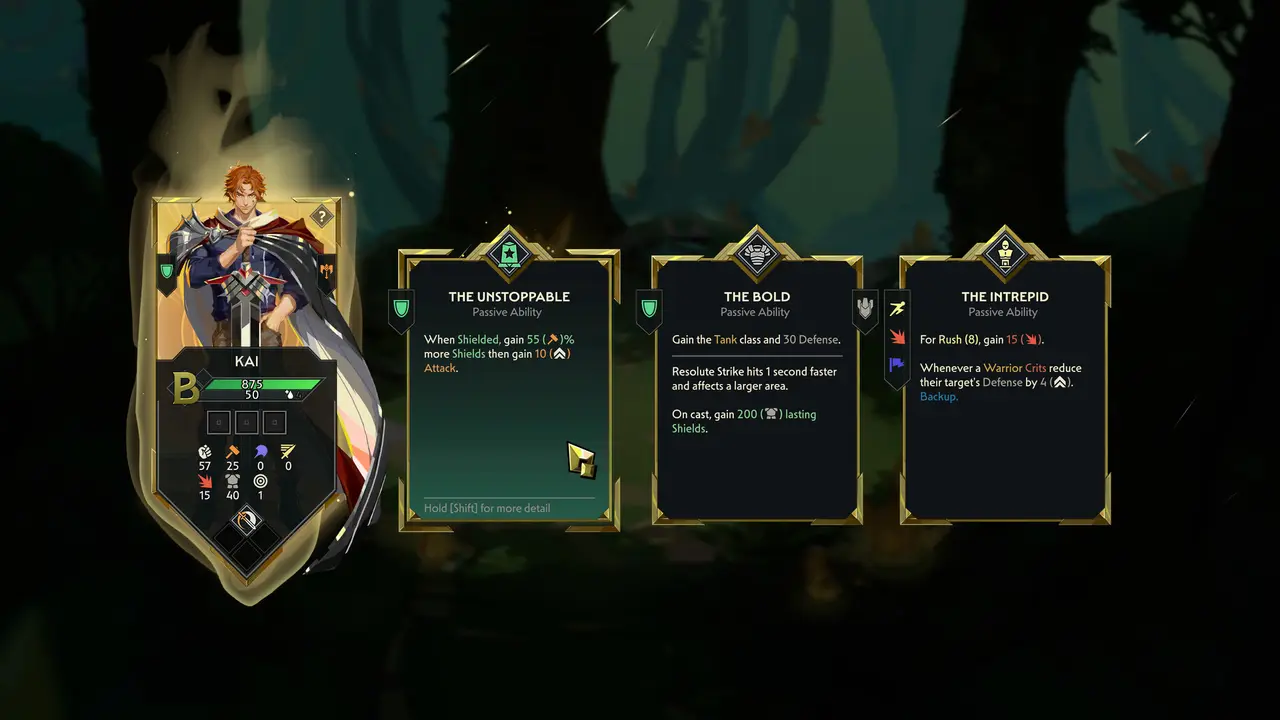
Guildrun is built around adaptation. Steam says each hero starts with a class and ability, but you choose where that hero ends through paths and specialization choices.
That means a strong Guildrun build is rarely decided on turn one. You start with a functional board, then let relics, items, and specialization offers reveal whether the run wants to stay balanced, feed a carry, or pivot into a stronger theme.
The best Guildrun players do not force one composition. They read what the run is offering and decide whether the current board can afford the pivot.
Sponsored
Recommended build order
Use this Guildrun build order when a run feels messy:
- 1. Cover the jobs — Make sure the Guildrun board has frontline, damage, and enough support to survive while scaling comes online.
- 2. Identify the strongest signal — Look for the clearest Guildrun relic, item, or specialization package and ask whether it is real now or only theoretical later.
- 3. Decide whether to pivot — A Guildrun pivot is good only if the board survives long enough to reach the new power spike.
- 4. Use items as glue — Items in Guildrun often bridge the gap between a stable opener and a stronger late-run identity.
- 5. Treat lovers as a bonus — Steam highlights lovers synergy, but in Guildrun it works best when both heroes already fit the board.
Simple build patterns
Guildrun build patterns
| Pattern | Tier | When to use it |
|---|---|---|
| Balanced First Run | S | Best default when learning Guildrun or when the run has not revealed a stronger line yet. |
| Relic-Driven Flex | S | Use when a Guildrun relic clearly wants a theme your board can support soon. |
| Single Carry Scaling | A | Use when one Guildrun hero already has the cleanest path to convert extra power. |
| Double Frontline Control | A | Use when the Guildrun board keeps dying before backline value matters. |
| Lovers Shared Effect | B | Use only when the pair already makes the Guildrun board stronger, not just flashier. |
Where to go next
After you understand Guildrun build order, open the builds hub for simple templates and use the build planner to sketch the next board between fights.
Recommended tools
Related guides
Guildrun Beginner Guide
Use a stable first team shape, stop common early losses, and learn what matters most in the demo.
Guildrun How to Play
Learn the board, between-fights flow, and what your positioning and drafting decisions control.
Guildrun Demo Walkthrough
Follow a simple path through the current Steam demo without overcommitting too early.
Verify exact in-game values in the live Guildrun demo after updates. Public sources may lag behind balance changes.